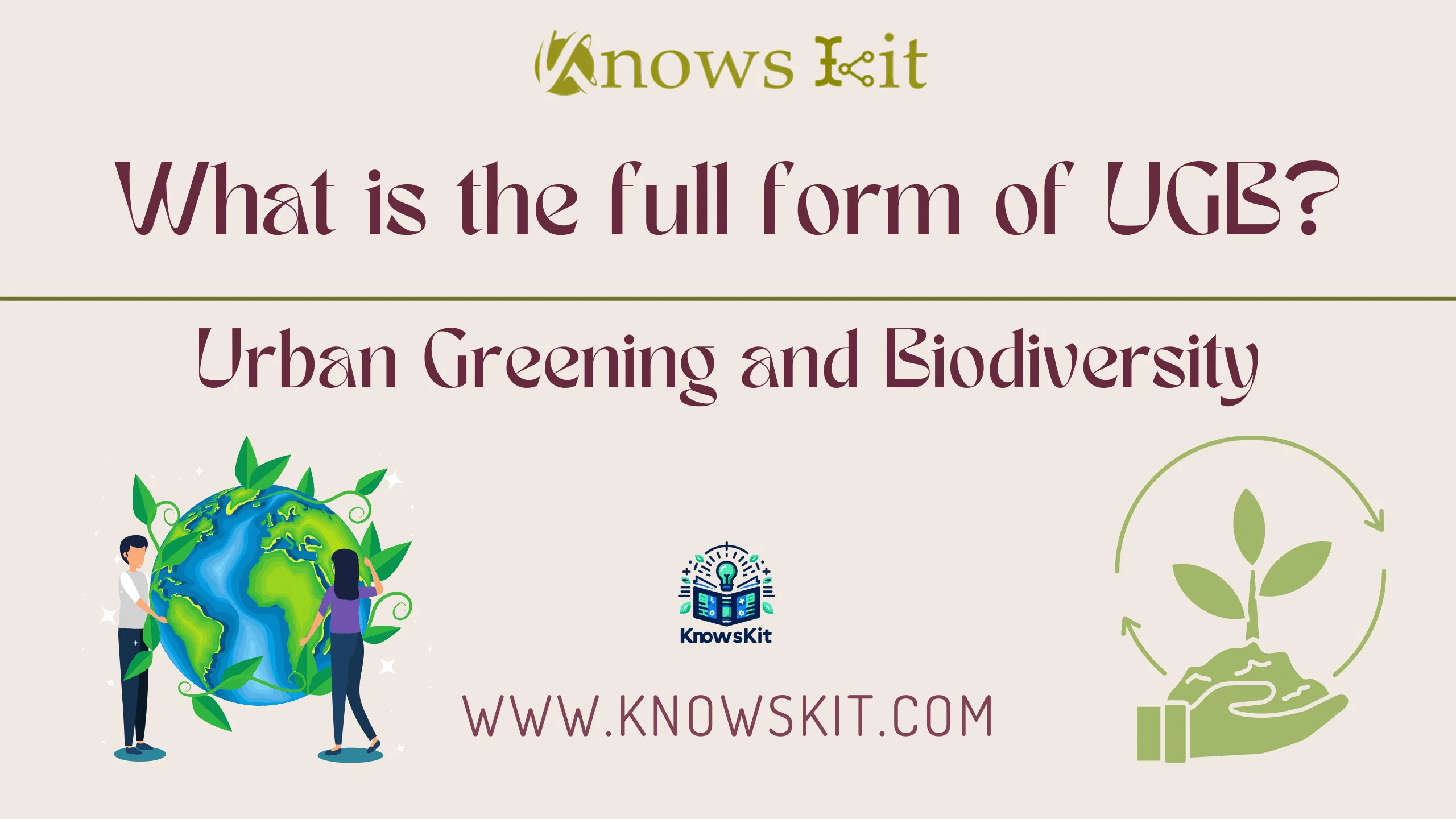
Quelle est la forme complète d'UGB ?
UGB: Urban Greening and Biodiversity
When we dive into the realm of Urban Greening and Biodiversity (UGB), we’re stepping into an incredibly vital area that impacts not just our environment, but our very quality of life. So, what’s the big deal with UGB? Let’s unpack this in a way that feels like we’re exploring an uncharted map, full of green spots and biodiversity hotspots right in the heart of our concrete jungles.
Urban Greening and Biodiversity: A Deep Dive
A la base, UGB is all about integrating nature into urban environments. Think of it as the art and science of bringing lush, green life into cities and towns. Why does this matter? Well, in a world where concrete often overshadows greenery, UGB aims to strike a balance. It’s about creating spaces that are not only pleasant to live in but also beneficial to our planet.
Why Does UGB Matter?
Imagine walking through a city where every corner turned unveils a patch of greenery, where biodiversity is not just a concept in textbooks but a visible reality. That’s the goal of UGB. It’s significant because:
- It improves air quality: Trees and plants are nature’s air purifiers.
- Boosts mental health: Green spaces have been shown to reduce stress and improve overall well-being.
- Encourages biodiversity: By creating habitats for various species, we support ecosystem health.
- Mitigates urban heat: Green spaces can lower temperatures in urban areas, making cities more comfortable to live in.
Application Areas of UGB
UGB isn’t just about planting a few trees here and there. It’s a comprehensive approach that includes:
- Rooftop gardens: Utilizing the unused spaces on top of buildings for greenery.
- Urban parks: Designing and maintaining public green spaces for recreation.
- Green corridors: Creating pathways of greenery that connect different areas of a city, allowing wildlife to move and spread.
- Sustainable urban planning: Integrating green spaces into the very blueprint of urban development.
The Bigger Picture of UGB
UGB isn’t a standalone initiative. It’s part of a larger movement towards sustainable living and urban resilience. By prioritizing green spaces, we’re not just making our cities more livable; we’re also taking steps towards combating climate change, protecting wildlife, and ensuring future generations inherit a healthier planet.
How Can We Contribute?
Everyone has a role to play in UGB. Whether you’re a city planner, a community organizer, or just someone with a balcony that could use a few potted plants, your contributions matter. Support local green initiatives, participate in community gardening projects, or simply advocate for more green spaces in your area. Every little bit helps.
En conclusion
Urban Greening and Biodiversity (UGB) is more than just an acronym; it’s a blueprint for the future of urban living. It’s about creating cities that not only thrive economically but are also vibrant ecosystems that support life in all its forms. By embracing UGB, we’re choosing a path that leads to more sustainable, resilient, and healthy urban environments.
And before we wrap up, let’s not forget about the versatility of acronyms. UGB stands for Urban Greening and Biodiversity in our context, but it can mean different things in different fields. Here’s a quick look at other full forms of UGB:
| Acronyme | Champ d'application | Formulaire complet |
|---|---|---|
| UGB | Science de l'environnement | Urban Greening and Biodiversity |
| UGB | Banking | Universal Guaranty Bank |
| UGB | Technologie | Underground Gas Storage |
| UGB | L'éducation | Undergraduate Board |
| UGB | Jeux | Ultimate Gaming Battalion |
| UGB | Médecine | Upper Gastrointestinal Bleeding |
| UGB | Ingénierie | Underground Base |
| UGB | Sports | Ultimate Grappling Belt |
Each of these represents a different aspect of our diverse world, showing just how multifaceted acronyms can be.