Stratégies éprouvées pour le marketing d'influence sur Instagram
Envision the scene: You find yourself browsing through Instagram and suddenly you are drawn to a post where someone is having a great time at the beach at sunset, while in the other hand he/she’s sipping some exotic colored drink. The caption reads: “Nothing beats finishing the day with [Brand]’s new tropical blend! #ad”, and you thought to yourself, what a cute pair of socks with sandals on that girl! Well, congrats: you’ve just witnessed Instagram influencer marketing.
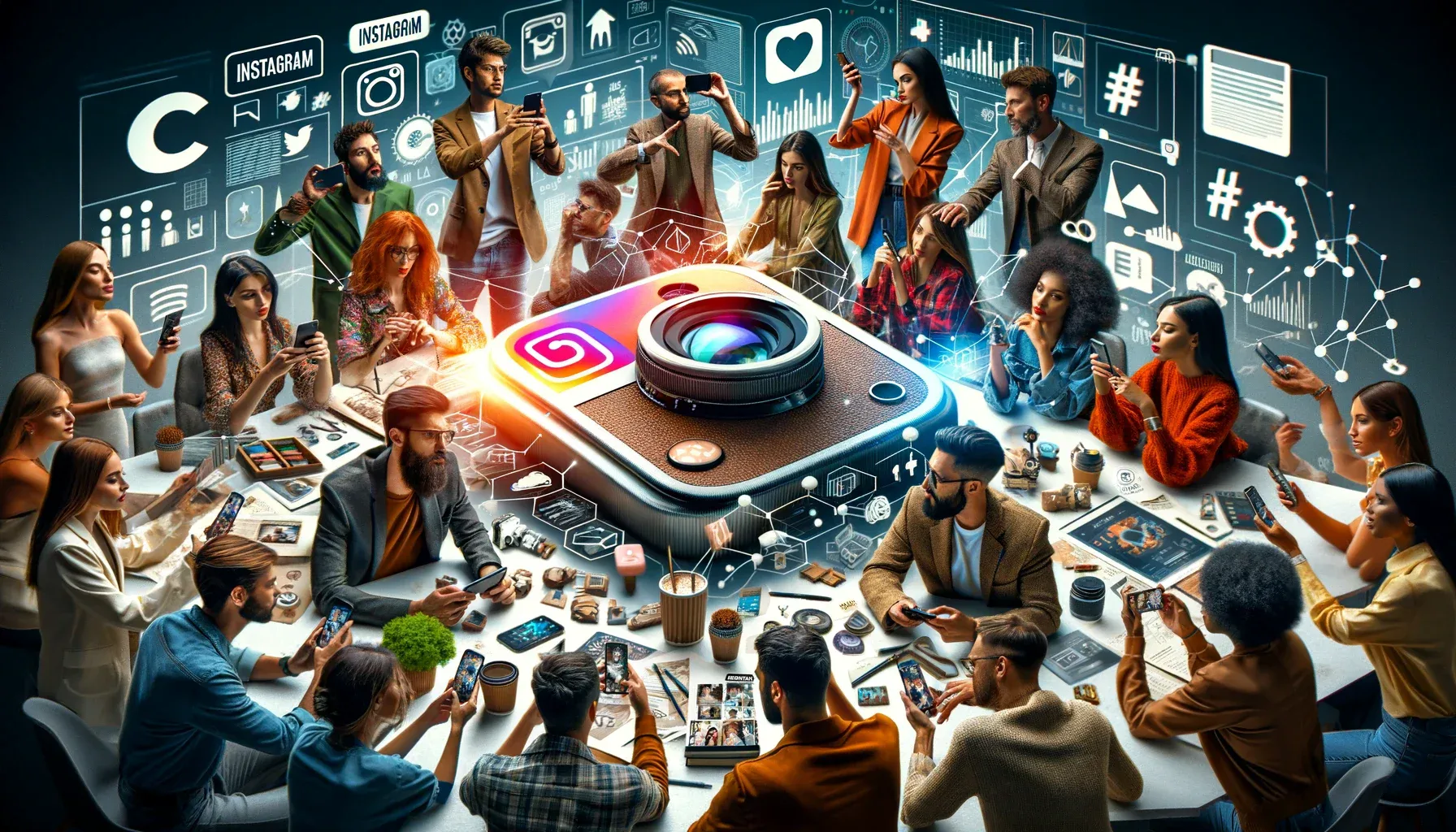
Instagram has come a long way from just being a simple photo-posting hub to a robust marketing medium where people with achievements connect with brands and people. The form of digital word-of-mouth has turned traditional advertising into something else. So what is the reason? It’s because rather than direct brand messages, we trust those suggestions that come from people we know to be credible.
What Makes Instagram a Marketing Goldmine?
With over 1 billion monthly active users and such engagement rates that make other platforms look very pale and forlorn by comparison, it gives brands the chance to plant some marketing seeds on a very fertile ground. The visual nature of the platform means that products and experiences can be showcased perfectly, while its algorithm favors authentic and natural connections, which is the very essence of influencer marketing.
“Instagram is not just a platform. It is a visual economy in which attention is market value translated into the economy,” said Barack Obama.
The Evolution of Influence
When was the last time you heard about someone who was incredibly famous because of an endorsement by a renowned celebrity? Those days are gone forever like the flip-flop phone! Instagram has made everyone feel equal and creative, thus leading to a broader spectrum of influencers who know how to connect with their audiences at the very core of django girls because of their proficiency in subcultures.
The transformation occurred at a slow but certain pace. As users began to increase their followership based on sharing their particular enthusiasm—from producing makeup tutorials to extreme sports, innovating in the kitchen to finding the best fashion—companies took note of this trend. Such creators were not only reaching people; they were engaging them through trust and authenticity and a call to action.
The Birth of a New Marketing Channel
The picture-driven elements of Instagram yielded the ideal condition for influencer marketing to thrive. Unlike text-driven platforms, Instagram is heavily based on photos and videos, which allows smooth product incorporation. A fitness guard can present in full glory the equipment they sell, while a home cook can set their kitchen tools in the cooking session. Such actions hardly differ from the stylization of the inner ads, and thus they are cheap content first, marketing second.
One marketing director put it aptly as: “If executed the right way, Instagram influencer marketing is not a mistake but rather a gift to the user.
The Influencer Ecosystem
All influencers are not equivalent! Grasping the different types makes it easy for brands to discover their ideal match as well as helps students and researchers classify this captivating social phenomenon.
By Follower Count
- Nano-influencers (1,000-10,000 followers): Even though these ordinary Instagram users are not numerous, their interaction ratio far surpasses the one of bigger ones. They are like the friendly neighbor everyone trusts for recommendations.
- Micro-influencers (10,000-100,000 followers): Professionals in their fields, who have a very active and engaged niche. They have perfected the art of creating content that resonates with specific interests.
- Macro-influencers (100,000-1 million followers): These content producers have made it possible for them to work on projects from the time they enter Instagram until the time they leave. Usually, however, they do other brand work besides the ones solely on Instagram.
- Mega-influencers (1+ million followers): A great number of them are the likes of celebrities or Internet personalities who gained their fame on Instagram by building up a large following. This is their strength but one can shy away from using them sometimes because of a low engagement rate.
By Content Focus
These influencers are usually Instagram-based representatives of a specific niche category. Some of the content categories they focus on include:
- Lifestyle: Pointing to aspirational activities of the daily routine such as home decoration and personal style.
- Beauty and Fashion: Rich demonstrations of the application of a diversity of makeup techniques, skincare, and outfit inspiration which are also being spoken a lot about lately.
- Fitness and Health: Guidelines laid down regarding the execution of trainings and the provision of nutritional supplements, among others. Personal journeys can also be part of the sharing.
- Travel: Reports on escapades, undisclosed gems, and transport tips
- Food: Involvement in menu preparation, restaurant reviews, and cooking demonstrations are the major activities
- Parenting: The family activities they are participants in or the approaches they adopt in child care. Recommendations on products for children.
- Gaming and Tech: Ways of making a review of a gadget or how to play the game are all in here.
What makes this ecosystem so beautiful is its diversity? Simply put, every consumer could find an influencer who creates simplicity in the complicated products, services, and lifestyles associated with the field. “The birds of a feather flock together” may be reflected in the formation of communities by people with similar interests and values on Instagram.
Behind the Scenes: How Influencer Marketing Actually Works
The goal here is to disclose how brands and influencers make beer purchases, like you hit <buy now> automatically.
The Campaign Lifecycle
The successful execution of an influencer marketing campaign is the same for all brands, though the course of actions may be quite different:
- Goal Setting: Brands first analyze what they would like to attain prefer targeting awareness, sales, followers or engagement.
- Influencer Selection: Finding content creators whose audience and aesthetic align with the brand’s identity.
- Outreach & Negotiation: Contacting, discussing the terms of partnership, and compensation agreement executing.
- Briefing: Giving product information and brief, the campaign rules the brand expects the consumer to meet while also allowing the partner the flexibility to use their own creativity.
- Content Creation: The influencer is going to create photos, videos, stories, or reels that show the brand.
- Review & Approval: The brands will see that the content matches their requirements and the legal aspect of it in seeding.
- Posting & Promotion: The content is live as per the agreed schedule.
- Measurement: Measurement of the initial metrics performance objectives on the measure of success retraction was done.
- Refinement: Bases on the insights to enhance future campaigns were obtained.
The Money Talk
The level of influencer marketing associated with actual cash earnings is very variable and is determined by how many followers one has how involved they are and the nature of the content an industry. A nano-influencer may post content in exchange for products for free, while higher-tier influencers may be paid with amounts that could reach a five-figure or six-figure sum for collaborations.
Common compensation models include:
- Flat fee per post: A simple payment for content that has been agreed upon
- Affiliate marketing: Influencers earn commission on sales made with their codes or links
- Product gifting: Free products in return for content (typical with smaller accounts)
- Long-term ambassadorships: Ongoing partnerships through the production of regular content
One mid-tiers beauty influencer has said: “Some people believe that we’re merely taking selfies, the truth is that making such attractive content that engages both the audience and the brand is like walking a tightrope while juggling. Creativity, business savvy, and a tough exterior are all part of the job.”
Campaigns That Work
Not all influencer marketing is effective. The difference between instances where a campaign flops and one where it soars often comes down to these fundamental strategies:
Being Authentic Is the Way to Go
The quickest way to tell if influencer marketing is ineffective? When the promo appears to be forced or out of character. The most futuristic Instagram users have got highly sensitive ‘ad radars’ and can feel insincerity a mile away.
Successful campaigns give influencers the freedom to integrate products into their content style, as it is established. One may think of the fitness coach who honestly uses the protein powder she promotes, or the book reviewer who truly enjoyed reading the novel she discusses.
Unleashing Creativity Brings Results
Rarely does micromanaging influencers yield the best results. This is primarily due to the fact that brands collaborate with influencers because they know their audience and understand what resonates. Thus, the best marketing strategies offer explicit guidelines while still providing the artists with the license for creativity.
The director of one of the leading agencies said it most aptly like this: “Trusting influencers with the interpretation of the brand message is the key to a successful campaign where they convert the message into the vernacular of the followers.”
Tell Stories Instead of Just Selling
The most powerful influencer content does not just display a product but tells a story around it. This could be that the influencer faced a problem which the product resolved, it could be that the product improved a certain experience or it could be that it was part of a significant moment in that user’s life. Bigger brands are investing a lot of money in influencers to talk about their products in an engaging story-based way. Such captivating tales create emotional bonds that standard product displays can’t compete with.
For instance, the travel influencer that tells the story of how one specific camera allowed him to capture unforgettable moments during a hard hike, or the parent influencer who talks about how a newly introduced product at bedtime, and this case a robot bear helped control her kid’s bedtime madness. Such stories remain with the audiences longer than just a simple “this is a great product” statement.
Success Measurement: Not Just Likes and Comments
So, how do you assess whether your investment in influencer marketing is efficient? You don’t just look for likes—although that is definitely one of the important parts of the equation.
The Right Key Performance Indicators to Analyze
- Engagement Rate Percentage: This indicates the percentage of followers that interacted with the post (likes, comments, saves, shares);
- Reach and Impressions: This indicates how many users saw the content as well as the total number of views through which it was seen
- Click-Through Rate: The rate of individuals that clicked the hyperlinks on stories and bios
- Conversion Rate: The ratio of clicks to actions that were successfully taken(purchases or sign-up etc).
- Cost Per Acquisition: The investment needed to add each customer.
- User-Generated Content: Content created by consumers of the brand with the objectives of the campaign.
- Sentiment Analysis: The emotional tone and viewpoint of messages and comments.
Several brands are tracking their promotional initiatives through clickable links, bar codes, or site-specific landing pages that are available only to a selected group. The use of these tools enables brands to draw a direct line between the marketing activity and an individual influencer, generating insights on how to optimize future campaigns, and calculating an actual return on investment in the process.
Ethical Considerations and Challenges
Instagram influencer marketing is not just a matter of filtered images and a direct increase in sales. The industry in question has to deal with various challenges and on top of that the ethical concern which, in turn, brands, influencers, and customers should pay attention to.
Transparency and Disclosure
The days are long gone when influencers would promote products behind the scenes without the need to announce their collaboration. Regulation agencies like the Federal Trade Commission (FTC) have made it mandatory for influencers to indicate their paid partnership through tags (as in #ad, #sponsored, or “Paid partnership with”). This explains why consumers see these terms framed in publications so often.
Yet there are differences in the way influencers disclose their paid partnerships. Some influencers will use #ad to hide within other hashtags and only a few select will voluntarily advertise the commercial they want.
Authenticity vs. Commercialization
The quest for authenticity is a tough one for many influencers: how to keep the unique tone of their messages that please their communities and, at the same time, satisfy commercial organizations. A high number of sponsored posts or wrong partnerships of an influencer’s personal brand might cause their audiences to stop engaging.
A creator stated: “I know my followers want to connect with me and not with ads. The moment I start losing their trust by endorsing products I don’t believe in, I’m putting my future in jeopardy.”
The Mental Health Conversation
Not all glossy and free products are the only things that set an influencer apart. Many influencers admit that they experience constant pressure to post perfect images, increase followers’ participation, and face public judgment. At the same time, followers are the target of self-image problems triggered by the consumption of overly edited posts.
This led to a counter-movement of influencers who put a priority on authenticity—showing unfiltered images, talking about failures together with successes, and being frank about the development of posts that seemed perfect.
Where Is Influencer Marketing Headed?
Instagram influencer marketing is still bursting with new talents that are coming up at an incredible pace. Here’s the coming:
The Rise of the Creator Economy
The social media platform Instagram has been trying to include the multitasking creators in the tool of its own brand influencing. Instead of passing by random users who got selected as influencers by some social media authority, brands are now focusing on the most genuine hyperlocal influencers. These are regular customers, usually, who, aside from their own purchases, come to help businesses run promotions. Thus, platforms like Instagram not only see respondents and purchases through sponsored ads, instead, they will ask creators as well as developers to provide reviews along user-generated content (UGC) sites like Instagram
Values-Based Partnerships
Consumers are increasingly becoming more aware of the brands they support and are thus turning their backs on other brands that do not align with their values. As a result, influencer partnerships are shifting away from being purely product-focused to highlighting shared principles and causes. This might include sustainability initiatives, social justice advocacy, or community support programs.
Micro-Communities and Hyper-Targeting
To reach a specific audience and maintain a genuine connection with the brand, having a small, committed, targeted community is preferred over having a huge number of followers. Some brands do leave behind the larger audiences in favor of small but dedicated influencers among them. These focused communities often create more meaning, and thus better conversion rates, than broader campaigns.
The words of one digital strategist resonate still: “Sometimes reaching 5,000 perfect potential customers through a micro-influencer beats reaching 500,000 general users through a celebrity.”
Practical Takeaways
Regardless of whether you’re studying influencer marketing, thinking about using it for your brand, or just trying to be a hipper Instagram user, you should keep these factors at the top of your mind:
- Create relationships rather than transactions: The most effective influencer marketing creates more genuine bonds between brands, creators, and audiences.
- Relevance is more important than the number of followers: The active involvement of the micro-community of 10,000 in creating user-generated content can lead to a greater conversion rate and involvement level than passively following an account by 100,000 other users.
- Be true: Faithful audiences can tell when a brand is insincere in its approaches, and once people lose faith in the power of the brand, it is almost impossible for the brand to return to that level of power again.
- Metrics are crucial: A successful campaign is one that employs creativity while simultaneously managing data judiciously.
- ethics are important: When brands, influencers and consumers are transparent and honest then it is the benefit of everyone in the long haul.
FAQ: Marketing d'influence sur Instagram
What are the key components of a successful Instagram influencer partnership?
1- Alignment of brand and influencer values.
2- Clear communication and set expectations.
3- Authentic content that resonates with the audience.
How can small businesses find and collaborate with Instagram influencers effectively?
1- Identify influencers who align with your brand’s niche and values.
2- Engage with their content before reaching out.
3- Offer a mutually beneficial partnership.
What are the latest trends in Instagram influencer marketing for 2025?
1- Increased use of video content, like Reels.
2- Greater emphasis on authenticity and relatability.
3- Leveraging micro-influencers for targeted engagement.
How much should brands budget for Instagram influencer campaigns?
It varies based on the influencer’s reach and engagement rates. Typically, micro-influencers charge less than mega-influencers.
Can you provide examples of successful Instagram influencer campaigns?
Brand collaborations with influencers like [insert example here] have shown significant engagement and conversion rates.
How do you measure the ROI of an Instagram influencer campaign?
Track metrics like engagement rates, website traffic from influencer posts, and conversion rates.
What are the common challenges in Instagram influencer marketing?
1- Finding the right influencer match.
2- Ensuring content authenticity.
3- Navigating Instagram’s changing algorithms.
How is Instagram’s algorithm impacting influencer marketing?
The algorithm favors content with high engagement, making authentic and engaging influencer content more crucial.
What are the future predictions for Instagram influencer marketing?
1- A shift towards more authentic, relatable content.
2- Increased use of Stories and short-form videos for promotions.
How important is authenticity in Instagram influencer partnerships?
Extremely important. Authentic partnerships lead to higher engagement and trust among followers.