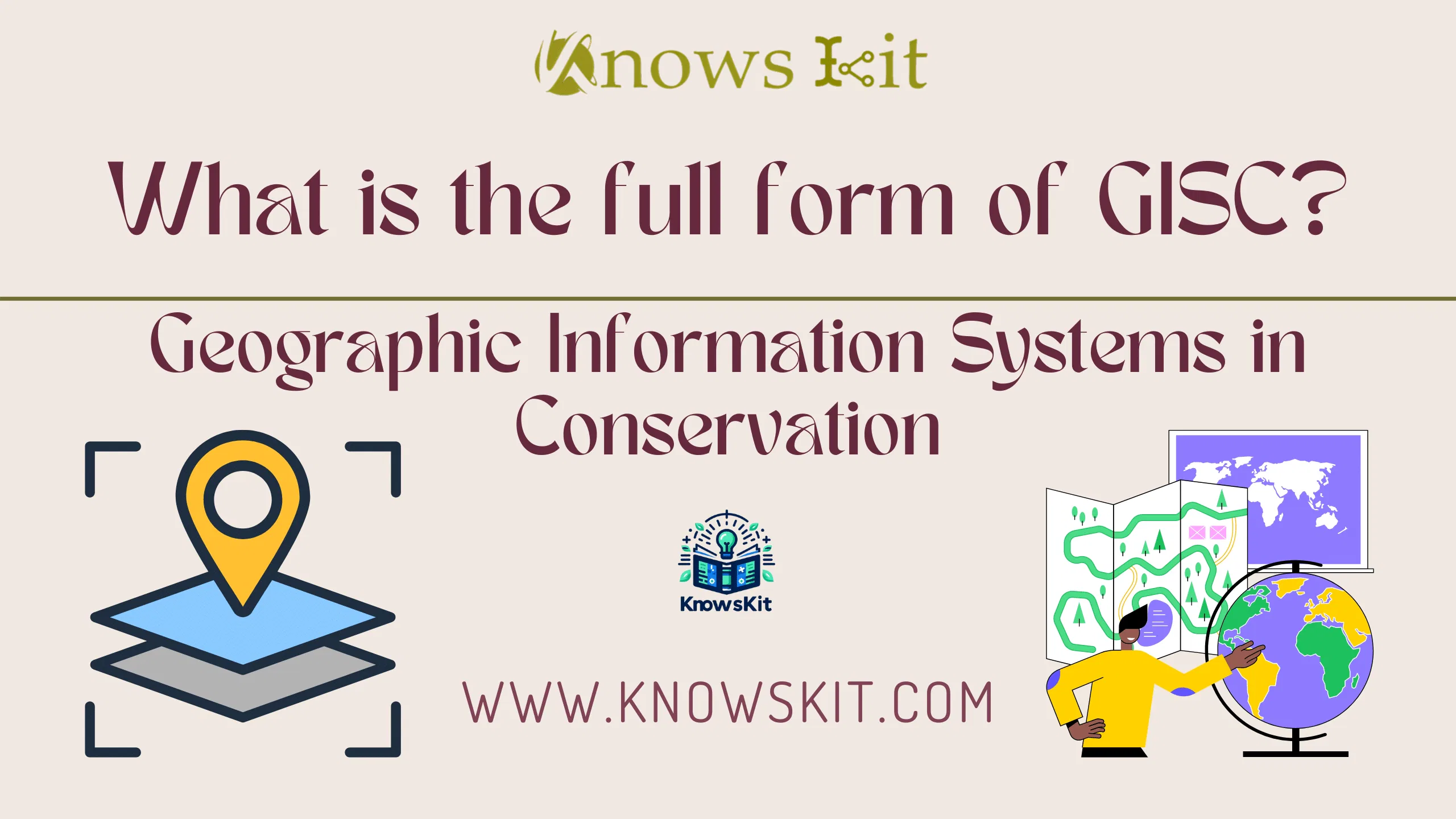
Что такое полная форма GISC?
GISC: Географические информационные системы в охране природы
GISC, standing tall for Geographic Information Systems in Conservation, isn’t just an acronym; it’s a revolution in how we perceive and protect our natural world. Dive into the essence of GISC, and you’ll find a fascinating blend of technology and environmental stewardship. This isn’t your typical tech buzzword. It’s a beacon of hope for conservationists and environmentalists everywhere.
Why Does GISC Matter?
Imagine having a superpower that lets you zoom in on any part of the Earth, understand its problems, and plan solutions with precision. That’s what GISC does. By combining the robust data processing capabilities of Geographic Information Systems (GIS) with the pressing needs of conservation, GISC offers a potent tool for making informed decisions that protect our planet’s precious biodiversity.
Applications of GISC: From mapping deforestation hotspots in the Amazon to tracking the migration patterns of endangered species, GISC is the unsung hero behind many conservation success stories. It helps in:
- Habitat Restoration: Identifying degraded areas needing restoration and monitoring recovery efforts.
- Wildlife Conservation: Tracking animal movements and identifying critical habitats for protection.
- Climate Change Analysis: Modeling climate change impacts on ecosystems and biodiversity.
- Environmental Monitoring: Keeping an eye on changes in land use, water quality, and pollution levels.
GISC: A Beacon for the Future
In a world grappling with environmental challenges, GISC stands as a testament to human ingenuity. It’s a reminder that technology, when harnessed for the greater good, can be a powerful ally in our fight against ecological degradation. So, next time you hear “GISC,” think of it as not just an acronym but as a hopeful promise for a sustainable future.
GISC in Action: Real-World Impact
What makes GISC truly remarkable is its versatility across various conservation efforts. It’s like having a Swiss Army knife in the world of environmental protection. Let’s take a closer look at how GISC is making a difference:
- Forest Conservation: By mapping forest cover and deforestation, GISC helps identify critical areas for conservation efforts, enabling targeted actions to prevent further loss.
- Marine Protection: Mapping marine ecosystems and human impacts on them helps in creating effective marine protected areas and conservation strategies.
- Городское планирование: GISC aids in designing green spaces and wildlife corridors in urban areas, promoting biodiversity even in cityscapes.
Вынос
GISC is more than just an acronym. It’s a pivotal tool in the conservation toolkit, blending technology with the noble cause of environmental protection. It’s about making a difference, one dataset at a time, in preserving the natural beauty and diversity of our planet for future generations.
Now, let’s take a quick look at other acronyms sharing the GISC banner but in different fields:
Bold Table of Various GISC Acronyms
| Аббревиатура | Поле | Полная форма |
|---|---|---|
| GISC | Технология | Geographic Information System Consulting |
| GISC | Образование | Global Institute of Science & Technology |
| GISC | Бизнес | Global Insurance Services Corporation |
| GISC | Наука об окружающей среде | Geographic Information Systems in Conservation |
| GISC | Здравоохранение | Geriatric Interdisciplinary Specialty Clinic |
| GISC | Правительство | Government Information Security Committee |
| GISC | Телекоммуникации | Global Internet Service Connector |
| GISC | Работа в сети | Group for Information Systems Consulting |
Выделено жирным шрифтом, you see the star of our show today, standing out not just for its uniqueness but for the pivotal role it plays in safeguarding our natural world. GISC, in its essence, is a reminder and a call to action. It embodies the intersection of technology and environmental stewardship, proving that when we leverage our advancements for the good of the planet, the possibilities are boundless. So, the next time you come across this acronym, remember its significant contribution to conservation and how it’s shaping a better, more sustainable future for all