

掌握社交媒体关键词优化:2024 年的成功策略
在不断变化的数字环境中,社交媒体平台已成为品牌知名度和受众参与度的关键战场。在这种情况下,了解社交媒体关键词优化的基本原则不仅有益,而且对于任何希望在网络上产生重大影响的人来说都是必要的。本综合指南深入探讨了社交媒体关键词优化领域,为掌握数字营销的这一重要方面提供了宝贵的见解和实用技巧。
从社交媒体关键词优化的角度理解关键词

关键词在社交媒体搜索引擎优化中的作用
在社交媒体的世界里,关键词发挥着举足轻重的作用,就像在传统的搜索引擎优化(SEO)中一样。不过,应用方式略有不同。关键词在 社交媒体用于对内容进行分类这些标签可以增加可发现性,并与目标受众建立联系。例如,Instagram 或 Twitter 上的标签可作为搜索关键词,将帖子与特定主题或趋势联系起来。
令人信服 在这一领域的案例研究是主要品牌如何利用 在产品发布时使用 Twitter。他们通常会创建独特的标签(关键词),不仅让人过目难忘,还能引起目标受众的共鸣。这一策略提高了他们活动的知名度,并推动了参与度。
关键词的变化及其影响
"(《世界人权宣言》) 社交媒体关键词优化的有效性在于了解 并实施关键词变体。与核心主题相关的各种关键词可以提高内容在不同用户群中的覆盖率。下面的表格说明了主要关键词的变体可以 影响您的社交媒体战略:
| 主要关键词 | 变化 | 潜在影响 |
|---|---|---|
| 素食食谱 | #VeganCooking, #PlantBasedMeals, #VeganLife | 吸引更多对素食生活方式感兴趣的受众 |
通过平衡热门关键词和小众关键词,您可以在不失去内容重点的情况下,撒下更大的网。
研究和选择关键词

社交媒体中深入研究关键词的工具和技术
有效的关键字研究是 制定成功的社交媒体战略.它包括综合使用各种工具和技术来发现目标受众使用的术语和短语。这一过程可帮助您了解能引起受众共鸣的语言和主题,使您能够创建更具吸引力和相关性的内容。
关键词研究工具综合指南
- 谷歌关键字规划工具:主要用于搜索引擎优化的经典工具,也可用于社交媒体关键词研究。它提供有关搜索量和竞争程度的数据,帮助您确定热门和利基关键词。
- SEMrush:该工具可对关键词进行广泛分析,包括关键词在不同渠道和不同环境中的表现。它对寻找长尾关键词和了解竞争格局特别有用。
- Ahrefs:Ahrefs 因其强大的反向链接分析而闻名,它还提供有关关键字趋势、搜索量和关键字难度的宝贵见解。这对于了解哪些关键词是可以实现的、值得瞄准的尤其有用。
- BuzzSumo:BuzzSumo 是内容研究的绝佳工具,可帮助确定趋势主题和特定关键词的最常分享内容。这不仅可以为关键词选择提供信息,还可以为内容策略提供信息。
- 社交媒体分析 工具:Facebook Insights、Twitter Analytics 和 Instagram Insights 等平台提供原生分析,包括受众如何使用不同关键词的数据。这种直接反馈对于完善您的关键词策略非常宝贵。
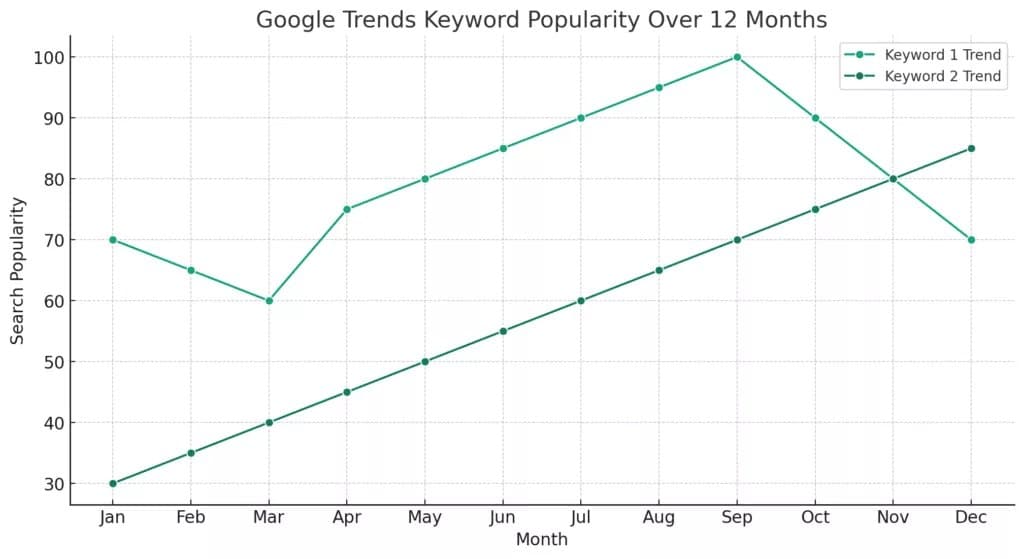
- 谷歌趋势:该工具对于识别关键词流行度随时间推移的上升和下降趋势至关重要。它可以帮助您利用新兴趋势,避免投资于衰退趋势。
有效研究关键词的技巧
- 了解你的受众:首先要制定明确的 了解目标受众包括他们的兴趣、需求和语言。以此来指导您的关键词研究过程。
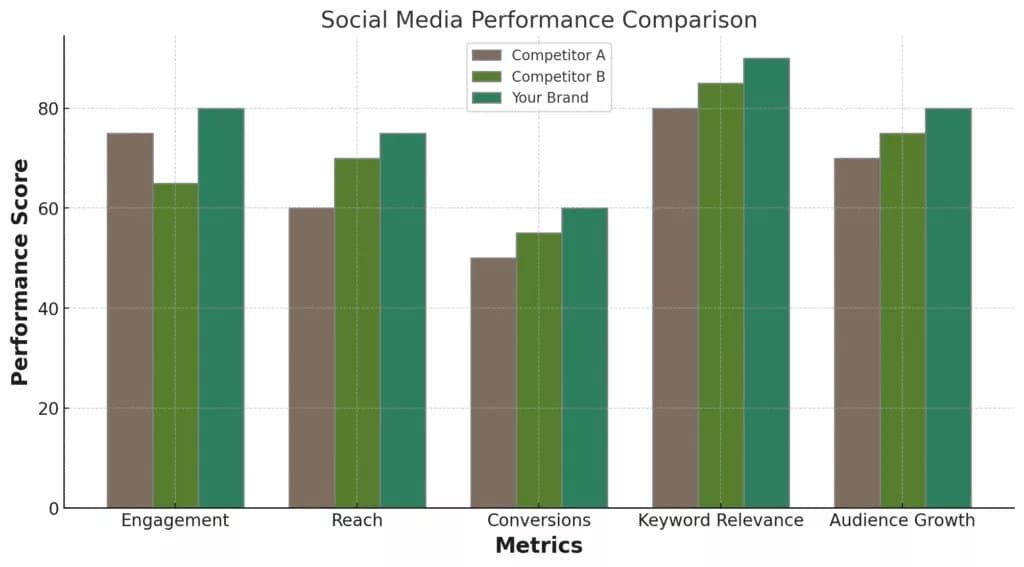
- 分析竞争对手的关键词:查看竞争对手的目标关键词。这可以提供 对有效战略的见解 方法中的潜在差距。
- 搜索意图分析:考虑关键词背后的意图。用户是在寻找信息、娱乐还是产品?根据搜索意图调整内容,可提高内容的相关性和有效性。
- 长尾关键词:不要只关注宽泛的关键词;长尾关键词的竞争性更小、针对性更强,往往能带来更高的参与度和转化率。
- 在语境中使用关键词:一旦确定了潜在的关键词,就要看看这些关键词在上下文中是如何使用的。这可以包括阅读 社交媒体帖子、论坛和博客,看看人们是如何自然而然地讨论这些话题的。
- 定期更新关键词列表: 社交媒体趋势 瞬息万变。定期更新关键字列表可确保您的内容保持相关性和吸引力。
将关键词研究应用于社交媒体战略
全面了解关键字研究的工具和技术后,您就可以开始应用这些工具和技术了 洞察您的社交媒体战略.例如,如果您发现 "可持续时尚 "是一个正在兴起的趋势,您可以围绕这一主题创建内容,使用相关关键词来提高对可持续发展感兴趣的受众的可见度和参与度。
分析竞争对手的关键词策略 深入

了解和分析竞争对手的关键字策略是完善以下方法的关键一步 社交媒体营销.这一过程涉及一系列步骤和考虑因素,可为有效使用关键词提供宝贵的见解、 观众参与 策略,以及行业内的内容趋势。
竞争对手关键词分析分步指南
- 识别竞争对手:首先确定您的直接和间接竞争对手。直接竞争对手提供类似的产品或服务,而间接竞争对手可能针对相同的受众,但提供不同的产品。SEMrush 和 Ahrefs 等工具可根据共享关键词和市场占有率帮助识别这些竞争对手。
- 分析其内容:找出竞争对手后,分析他们的内容 通过各种社交媒体平台.注意
- 关键词使用:查找帖子、描述和视频内容中重复出现的短语或标签。
- 内容类型:确定他们经常使用的内容类型(图片、视频、博客)以及如何整合关键词。
- 参与程度:注意哪些关键词或主题在赞、评论和分享方面产生的参与度最高。
- 关键词工具:利用关键字研究工具,从数量上了解他们的关键字策略。BuzzSumo 等工具可以向您展示特定关键词或竞争对手最常分享的内容。
- 标签分析:分析竞争对手使用的标签,尤其是在 Instagram 和 Twitter 等平台上。这可以揭示行业趋势和热门话题。
- 观众反应:评估受众对某些关键词或主题的反应。这种定性分析可以让您深入了解目标受众的价值或兴趣所在。
- 内容日历分析:查看他们发布帖子的时间。他们发布关键词丰富的内容的时间是否有规律可循?这可以帮助我们了解最佳发布时间。
比较分析
收集数据后,就可以将他们的战略与您的战略进行比较了:
- 关键词重叠和空白:确定关键字使用中的任何重叠,以及您可能遗漏的对他们有效的关键字。
- 内容战略调整:比较你的内容策略与他们的策略有何异同。他们正在有效使用的内容类型或平台中,是否有你没有探索过的?
案例研究:竞争对手关键字策略实践
想象两家相互竞争的连锁咖啡店。通过分析它们的社交媒体,你会发现其中一家连锁店在内容中始终使用关键词 "#EthicallySourced",从而获得了很高的参与度。而另一家则更注重基于地理位置的关键词,如 "#BestCoffeeInBoston"。这一分析揭示了不同的定位:一个是道德采购,另一个是本地突出性。运用这些见解,您可能会决定将类似的主题纳入您的 与受众产生共鸣的内容战略 对这些特定角度做出积极回应。
将关键词融入社交媒体内容

纳入关键词的最佳做法
关键词的艺术 整合社交媒体 是知名度和自然参与之间的平衡。以下是一些最佳做法:
- 语境为王:始终确保关键字与内容有机结合。强行使用或脱离上下文的关键词会疏远受众。
- 标签和标题:在 Instagram 和 Twitter 等平台上有效利用标签。在标题中,使用与文字自然流畅的关键词。
- 视觉内容:对于 Pinterest 或 Instagram 等平台,确保关键字出现在图片描述和 alt 文本中。
不同类型社交媒体内容中的关键词
不同类型的 社交媒体内容 关键词整合需要不同的方法。下面是一份快速指南:
| 内容类型 | 关键词使用 |
|---|---|
| 职位 | 在文本和标签中自然地使用关键词。 |
| 故事 | 在叙述中加入关键词或作为标签。 |
| 视频 | 在标题、描述和口语内容中包含关键词。 |
例如,经过关键词优化的 Instagram 帖子可能会在标题中自然包含关键词,并辅以一组相关的标签。
跟踪和优化关键字性能 社交媒体
有效关键词 优化社交媒体 不仅要选择和使用正确的关键字,还要跟踪关键字的表现并对其进行优化,以获得更好的结果。这需要根据数据驱动的洞察力,不断循环监测、分析和调整关键字策略。
跟踪关键字性能的深入指南
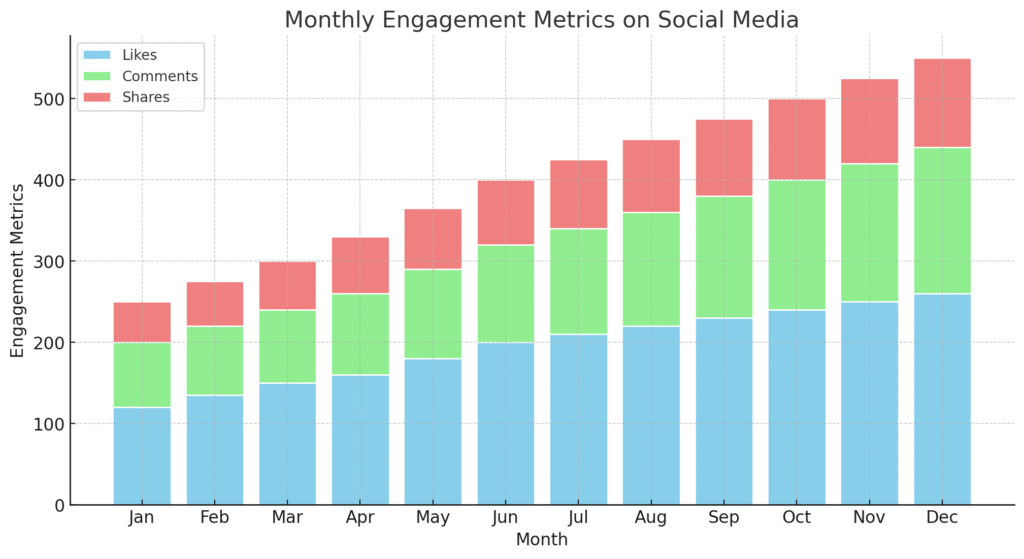
- 利用分析工具: 社交媒体平台 提供原生分析工具,让您深入了解内容的表现。例如,Facebook Insights、Twitter Analytics 和 Instagram Insights 可以向您显示关键字被提及的频率、参与度以及覆盖范围。
- 参与度指标:跟踪关键词对赞、评论、分享和点击等参与度指标的影响。较高的参与率通常表明您的关键词与受众产生了共鸣。
- 覆盖面和印象:分析关键词如何影响帖子的传播范围。某些关键词是否能帮助您开拓新的受众群体?
- 转换跟踪:如果您的社交媒体活动旨在促进转化,那么请跟踪不同的关键词对转化目标的贡献。这可能包括注册、下载或销售。
- 标签性能:在 Instagram 和 Twitter 等平台上,标签具有关键词的功能。Hashtagify.I 等工具可以帮你分析特定标签的表现。我可以帮你分析特定标签的表现。
- 情感分析:利用工具评估关键词的情感。它们与正面、负面还是中性情绪相关?
社交媒体关键词优化技巧
- A/B 测试:在类似的帖子中使用不同的关键词变体进行实验,看看哪种变体在参与度和覆盖率方面表现更好。
- 季节性调整:根据季节性趋势或当前事件调整关键词,以保持内容的相关性和及时性。
- 竞争对手基准:关注竞争对手的关键词策略。如果某些关键字对他们很有效,请考虑在您的内容中进行测试。
- 完善关键词选择: Based on performance data, refine your selection of keywords. Discard those that aren’t performing and replace them with more promising ones.
- Content Format Experimentation: Experiment with different content formats (like videos, images, or text posts) for your chosen keywords to see which format resonates best with your audience.
- Incorporating User Feedback: Pay attention to comments and direct feedback from your audience. They can offer direct insights into which keywords are engaging or off-putting.
Real-World Application : Social Media Keyword Optimization
Let’s consider a practical example: a fitness brand using Instagram to promote its products. After analyzing their analytics, they noticed that posts with the hashtag #HomeWorkouts have a higher engagement rate than posts with #GymLife. Based on this insight, they might decide to focus more on home workout content, adjusting their strategy to the preferences of their audience.
Measuring the Success of Your Social Media Keyword Optimization
To truly understand the impact of your keyword optimization, it’s essential to track specific metrics. Key performance indicators include engagement rate (likes, comments, shares), reach (how many people see your content), and conversion rates (how many people take the desired action after viewing your content).
Social media platforms often provide native analytics tools, and there are external tools like Hootsuite and Buffer that offer more in-depth analysis. Regular monitoring allows you to see which keywords are performing well and which aren’t.
Ongoing Optimization of Keywords
The digital landscape is always changing, and so should your keyword strategy. Here’s how you can keep your strategy fresh and effective:
- Regularly Review Performance Data: Stay on top of how your keywords are performing and adjust them based on trends and changes in engagement.
- Adapt to Seasonal Trends and Events: Align your keywords with seasonal events or trending topics to stay relevant.
A real-life example of an evolving keyword strategy is how fashion brands change their keywords with seasons, using terms like “summer collection” or “winter fashion” to stay current and attract targeted audiences.
关键词优化的常见错误和最佳实践
Navigating the world of keyword optimization in social media can be tricky. Awareness of common mistakes and adherence to best practices are key to ensuring your strategy’s success.
Do’s and Don’ts of Social Media Keyword Optimization
应做事项:
- Use Keywords Naturally: Ensure your keywords blend seamlessly into your content.
- Regularly Update Your Strategy: Stay agile and adapt to new trends and algorithm changes.
- Engage With Your Audience: Use keywords as a means to start conversations and engage with followers.
Don’ts:
- Avoid Overusing Keywords: This can lead to spammy content and alienate your audience.
- Don’t Ignore Analytics: Failing to monitor performance can lead to missed opportunities for optimization.
- Don’t Use Irrelevant Keywords: Stick to keywords that are relevant to your brand and content.
A quote from a social media expert encapsulates this well: “In the world of social media, authenticity, and relevance are the cornerstones of successful keyword optimization.”
Adapting to Algorithm Changes and Trends
In the fast-paced world of social media, staying ahead requires adaptability to the ever-evolving algorithms and trends. Social media platforms frequently update their algorithms, which can significantly impact how content is distributed and engaged with. Understanding and adapting to these changes is crucial for maintaining the effectiveness of your keyword strategy and overall social media presence.
Understanding Social Media Algorithms
- Algorithm Basics: Social media algorithms are complex systems that determine which content appears in each user’s feed. These algorithms consider factors like engagement, relevance, and timeliness of posts.
- Platform-Specific Algorithms: Each social media platform has its unique algorithm. For instance, Instagram might prioritize visually engaging content, while LinkedIn focuses on professional and industry-related content.
- Impact on Visibility and Engagement: Changes in algorithms can affect the visibility of your content. A new update might prioritize different types of content, user interactions, or even the frequency of posts.
Strategies for Adapting to Algorithm Changes
- 保持信息畅通: Follow social media news sources, blogs, and official platform announcements to stay updated on algorithm changes. Platforms like Social Media Today or HubSpot’s marketing blog are valuable resources.
- Engagement Focus: Algorithms often favor content that generates engagement. Focus on creating content that encourages likes, comments, shares, and saves.
- 内容多样性: Diversify your content types (e.g., images, videos, live streams) to see which works best under the new algorithm conditions.
- 社区建设: Focus on building a community around your brand. Algorithms tend to favor content from sources that users regularly engage with.
- Analyze Data and Trends: Regularly analyze your social media data to understand how changes in algorithms affect your content’s performance.
Adapting to Social Media Trends
- Trend Monitoring: Use tools like Google Trends and BuzzSumo to stay on top of trending topics and keywords in your industry.
- Audience Preferences: Pay attention to your audience’s changing preferences. Audience feedback, comments, and engagement patterns can provide insights into shifting trends.
- Innovative Content Creation: Be open to experimenting with new content formats and styles to align with current trends.
- 影响者合作: Collaborating with influencers can be an effective way to tap into current trends and reach new audiences.
Real-Life Example
Consider a fashion brand on Instagram. The brand noticed a shift in the algorithm favoring video content, such as Reels. In response, they started creating short, engaging Reels showcasing their products in everyday settings. This adaptation not only aligned with the algorithm’s preference for video content but also tapped into the growing trend of authentic, relatable marketing.
总结:社交媒体关键词优化
Embarking on the journey of keyword optimization in social media is a continuous process of learning, adapting, and evolving. The foundational principles outlined in this guide provide a roadmap for navigating this dynamic landscape. By understanding the role of keywords, effectively researching and selecting them, integrating them into various types of content, tracking and optimizing their performance, and staying aware of common pitfalls and best practices, you can significantly enhance your social media presence.
Remember, the essence of successful keyword optimization lies in striking a balance between strategic planning and authentic engagement. It’s not just about being seen; it’s about being relevant and resonant with your audience. As you apply these principles, keep in mind that the digital world is always changing, and flexibility is key to staying ahead.
Additional Resources
For further reading and deeper understanding, consider exploring these resources:
- Moz Blog for SEO and social media trends.
- 社交媒体检查员 for practical tips on social media marketing.
- Books like “Social Media Marketing All-in-One For Dummies” for comprehensive learning.
社交媒体关键词优化常见问题
是什么让 社交媒体关键词优化 vital in social media marketing?
关键词优化至关重要,因为它能使您的内容与目标受众的特定搜索和兴趣保持一致。这种调整会提高您文章的可见度和相关性,从而提高参与率、扩大覆盖面并提高转换率。从本质上讲,它能在正确的时间将您的内容与正确的受众联系起来。
在各种社交媒体平台上使用相同的关键词是否有效?
虽然某些关键词可能在多个平台上都有效,但每个社交媒体网站都有其独特的受众和内容风格。根据每个平台的具体情况和用户行为定制关键词(比如在 LinkedIn 上使用专业语言,而在 Instagram 上使用更休闲、更符合潮流的语言),可以提高参与度和相关性。
我应该多久更新一次社交媒体关键词策略?
应定期审查和更新您的关键词策略,最好每三个月更新一次,如果有重大趋势或算法变化,更新频率可以更高。定期更新可确保您的内容保持相关性,并在不断变化的社交媒体环境中持续引起受众的共鸣。
在社交媒体内容中过度使用关键词会有什么后果?
过度使用关键词会使您的内容显得垃圾或不真实,从而使受众反感并降低参与度。重要的是要根据上下文自然地使用关键词,注重为受众创造价值,而不仅仅是针对搜索算法进行优化。
如何有效衡量关键词优化工作的成功程度?
关键词优化的成功与否可以通过各种指标来衡量,如参与率(喜欢、评论、分享)、覆盖率(看到您内容的人数)和转化率(浏览者采取的行动)。利用社交媒体平台提供的分析工具或 Google Analytics 等外部工具,可以深入了解关键字的表现和带来的流量。
有哪些强大的社交媒体关键词研究工具?
Google Keyword Planner 等工具可以让您深入了解搜索量和趋势,而 SEMrush 等平台则可以让您更广泛地了解不同渠道的关键词表现。社交媒体专用工具,如 Instagram Insights 或 Twitter Analytics,可以帮助您了解受众如何参与您的内容,以及哪些关键词推动了这种参与。
Instagram 和 LinkedIn 等平台的关键词趋势有何不同?
Instagram 倾向于使用更加视觉化和生活方式导向的关键词,这反映了其高度视觉化的特性和年轻化的用户群体。相比之下,LinkedIn 的关键词通常侧重于特定行业术语和专业内容,与其作为专业人士社交网站的角色相吻合。
热门标签能否有效地用作社交媒体上的关键词?
Yes, popular hashtags can serve as effective keywords, especially on platforms like Instagram and Twitter. However, it’s crucial to ensure they are relevant to your content and audience. Using trending hashtags can increase visibility, but they should be used strategically to avoid appearing opportunistic or irrelevant.
为什么适应社交媒体算法变化对关键词优化很重要?
社交媒体算法决定了内容的显示和排名方式。随着这些算法的发展,影响内容可见度和参与度的因素也在不断变化。随时了解并适应这些变化可确保您的关键字策略始终有效,确保您的内容能持续触及目标受众并引起他们的共鸣。
社交媒体关键词优化中常见的错误是什么?
A frequent mistake is using irrelevant or overly broad keywords, which can lead to poor targeting and reduced engagement. It’s important to choose keywords that are closely aligned with your content and audience interests. This ensures that your content is not only found but also resonates with and engages your intended audience.
阅读更多 了解套件