Instagram и индустрия моды: Маркетинговые стратегии в 2025 году
2010 was a significant year for fashion with the launch of Instagram, a major transformation in the fashion industry. The simple photo-sharing app that started in the beginning turned into a global platform that changed the way we see clothes, perceive trends, and are inspired by style icons. Fashion brands that solely relied on editors and Fashion Week for publicity suddenly started to notice how anyone with a smartphone could be an influencer.
The situation before Instagram was that trends were adopted in a linear evolutional order: start at the designer catwalks, then sent to the agency, two months later the collection reached the department stores. Nowadays? A viral outfit can sparkle a global trend in a matter of hours. This is one of the most profound changes in fashion communication since the launch of fashion magazines.
The Rise of Visual Commerce
Since its inception, Instagram’s picture-centered approach has been a perfect match for fashion’s visual essence. The companies understood that they could promote their products simply by applying user-generated content which is cheaper than contracting photographers or print ads. Small designers who couldn’t afford traditional marketing suddenly entered an easy-to-use and broad-reaching global market.
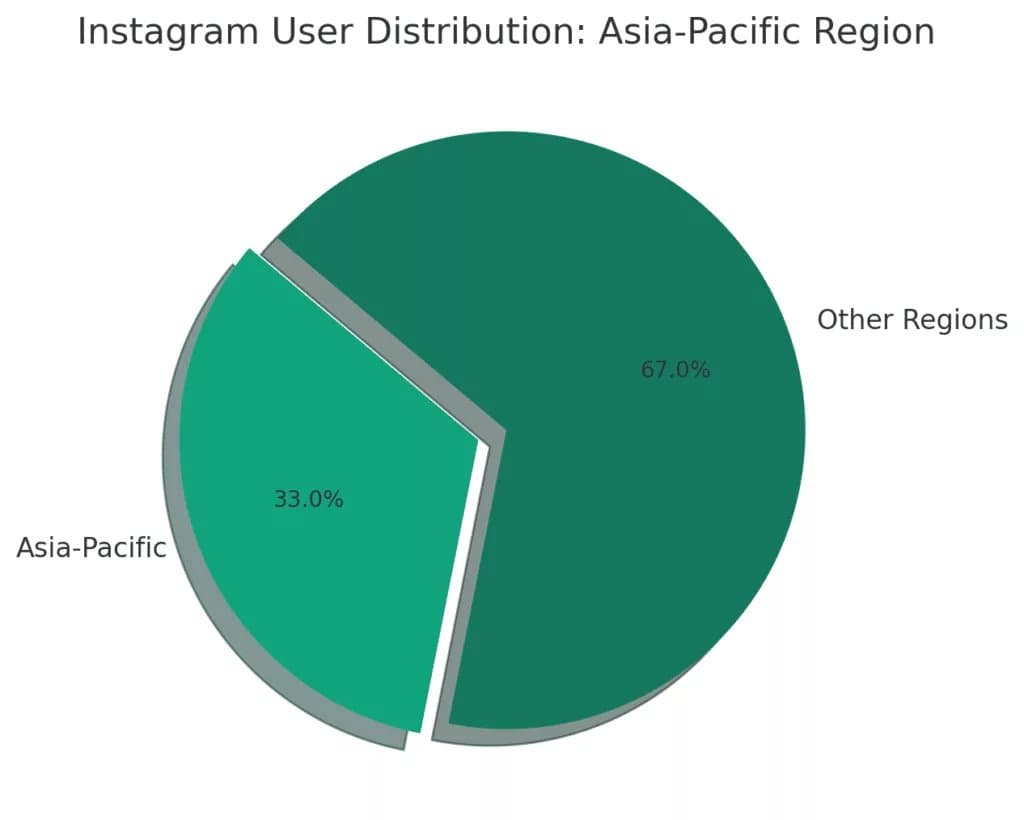
The numbers support the claim: One out of the three posts made on the platform is fashion-related, and users interact with fashion content more than any other type, with over 100 million daily posts, according to statistics. The time from seeing a trend to buying it is as short as the fingers need to swipe the screen if a user like the item available in the store immediately.
As one independent designer said to me: “Instagram didn’t just open a door for my business—it knocked down the whole wall. I came from selling local clients to clients worldwide in just six months.”
Democratizing Fashion Influence
Societal media serves as a lively platform for everyone to express their voice in fashion. The traditional system of the rushed, unsexed editorialists; small fashion editors; and a small group of designers is dead. High schoolers with the right cameras and smart styles turned into micro-entrepreneurs and the cement gave way.
- Fashion content creators became software engineers with multi-million dollar businesses.
- Normal shoppers used blogs and hashtags to vent their feelings.
- Models built personal chains beyond just agency representation.
- Photographers used social media marketing instead of gallery representation.
This change presented both challenges and opportunities. The welcome of the youth of the world unknown to the industry was a sign that the trend will last. Fashion became a two-way exchange of ideas, not just a succession of master and students.
Instagram as Fashion’s Digital Marketplace
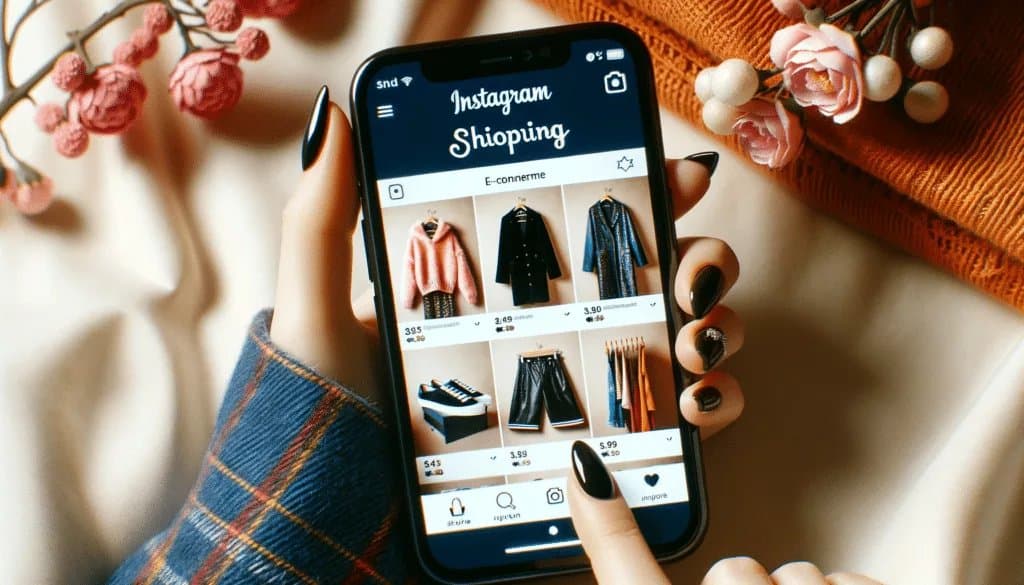
What began as a place for pure visual inspiration evolved into a complete shopping ecosystem. The introduction of shoppable posts by Instagram in 2018 not only turned it into the best source of fashion inspiration worldwide but also made it a virtual mall. Users could switch from finding things to buying without leaving the application – a bedrock of forming habits through impulse buying.
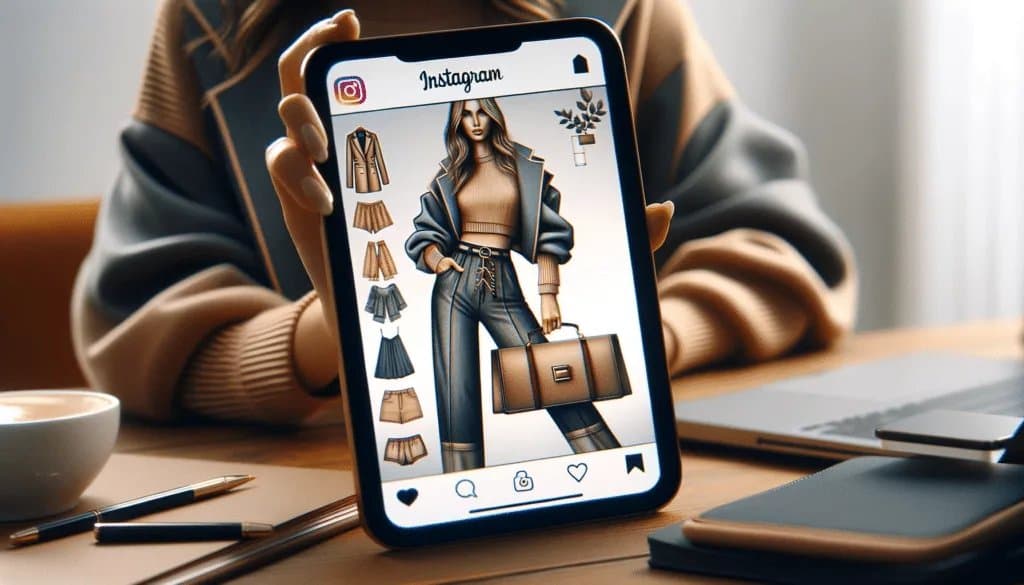
Fashion marketers revamped their entire approach to Instagram store-shops. Product development and approval teams began asking: “Will this look nice in a square photo? Will it stop scrolling? Is it something people have already seen a million times on their feeds?” Some products are now born mainly for Instagram, not for real-world practicality.
“I don’t just design clothes anymore—I design Instagram moments. If a dress doesn’t photograph well for social, it won’t make the final collection. That wasn’t true five years ago.” – A contemporary designer.
The Origin of Instagram Aesthetics
Instagram has not only modified the way we perceive fashion, but has also modified the way fashion looks. The social media platform rewards certain visual elements using bold colors that attract the eye on small screens, distinct patterns that are easily identifiable in crowded feeds, and large silhouettes that are noticed even in thumbnails.

Similarly, the mobile phone has had a pivotal role in establishing the new feature that is now commonplace in our physical retail spaces. For example, one of those should have been the photo booth that carried an eye-catching design. Now the fitting room also accompanies;k a similar role to the customers.
- Color theory led the way – the most effective colors in feed are – high-contrast bright colors.
- Maximalism was a winner – the fresh simplicity of minimalism was outshone the in-depth and representational art of photography.
- The logos’ place was high – the major recognition of the brand was performed by its logos in an instant.Therefore people preferred it very often in a split-second building.
- The prominent were the ones that were recognized- the engagement mainly was for the pieces that one could comprehend at once.
The People on the Effect: Fashion Identity in the Instagram Era
As business impacts are measurable, Instagram’s role in the personal style and fashion psyche remains a mystery. The platform introduced new challenges and opportunities for self-presentation through fabrics.
Today’s fashion consumers face a paradox, as there is an infinite source of styling inspiration on Instagram, while at the same time, there is a fear that they may wear the same outfit twice. The most common method of influencing decision-making is the “I can’t wear this again; it has already been posted on my account” phenomenon that is associated with habits that are harmful to the environment.
This conflict is particularly felt by younger members of the population. One college student noted, “I enjoy asserting my identity through Instagram, but there are specific moments when I catch myself thinking of my outfit only in terms of its photographability. Is the outfit in question something I would wear regardless or is it something I would wear in the group as a must-follow? That threshold becomes increasingly difficult to define.”
From Fashion Weeks to Fashion Always-On
In the past, the traditional calendar of fashion revolved mainly around Spring/Summer and Fall/Winter collections. Instagram splintered that cycle. The demands on the platform for continuous content on a daily basis obliged brands to saturate the market through micro-drops, capsule collections, and limited releases, thus ensuring ongoing social engagement.
Today, fashion brands have shifted gears from season-based marketing to year-round production. This further innovation brings along the older issue of exhaustion. Designers throw out the word “burnout” as they find themselves on a hill of fatigue, while the teams that once made strategic decisions for a whole year are behind the eight-ball, creating month-by-month content plans instead of annual campaigns.
Some brands are really into this new hustle and hire comparatively “social design” teams to create the perfect Instagram-optimized products, while others take purposeful restraint and provide it with just a hint of exclusivity amidst a sea of oversaturation, thus re-badging it a luxury item.
The Cultural Conversation: Instagram as Fashion’s Town Square
Instagram has created a shift in not only the financial aspect of fashion but also the discourse. The public can now join in the conversation which used to be limited to a small circle of industry insiders. A culture of call-outs means that consumers are now the ones who send brands a strong message. Thus, firms are being put in check for missteps that in other situations could have easily slipped under the radar.
This transparency forced fashion to address issues it historically ignored:
- Body diversity and inclusive sizing
- Cultural appropriation in design
- Sustainability practices and ethics
- Workplace conditions and model treatment
The fact that fashion brands cannot ignore real-time criticism means that the way they used to communicate their stories,via carefully crafted press releases, has changed in a fundamental way. The relationship between businesses and clients is altered by this dynamic.
As pointed out by Valerie Steele, a renowned fashion historian, “Instagram, in fact, created the fashion equivalent of a public square where everyone has a loudspeaker. People— any member of the public— could voice their opinion through the many channels at their disposal and these opinions could very well affect the outcome of a business”.
The Future: What’s Next for Fashion on Instagram?
As Instagram approaches its fifteenth birthday, the relationship between the platform and fashion continues evolving. Several emerging trends suggest where this partnership heads next:
Due to being influenced by a perfectly tailored aesthetic for years, both brands and creators now resort to “reality” and less refined content. The fit and polished style that once defined fashion moments on Instagram has been replaced with candid behind-the-scenes moments and photos that are shot in a spontaneous and very casual manner.
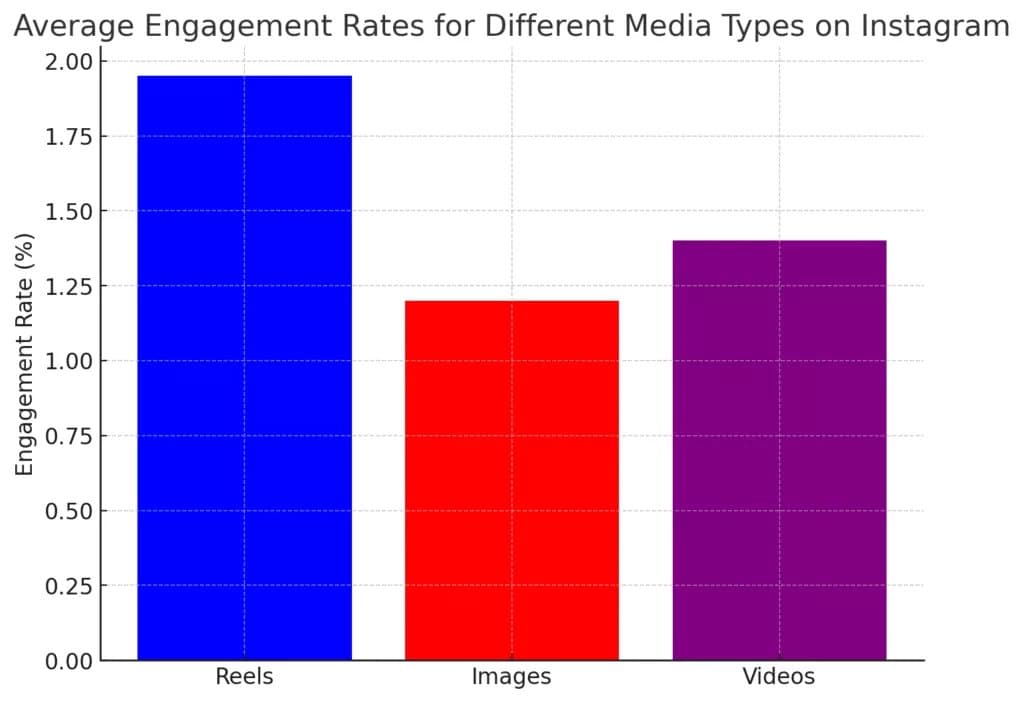
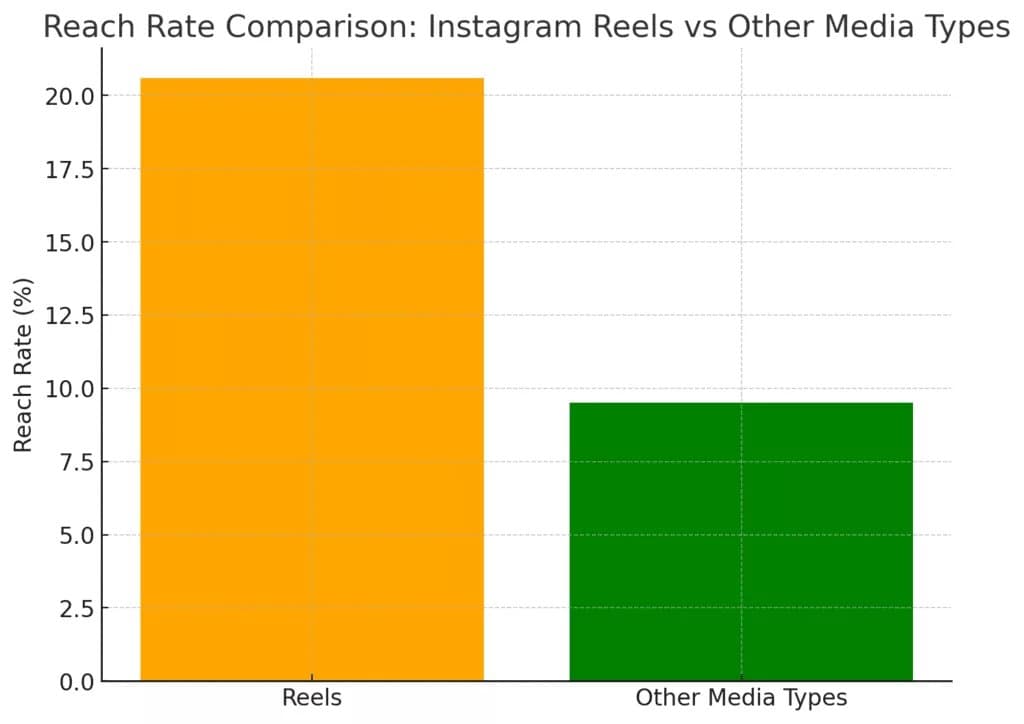
The Fashion Marketing is worth noting that Static images of a Dress or other garments are increasingly being replaced by modern video marketing techniques such as Reels and Stories. Traditional static lookbooks in the fashion world are being abandoned for time-based media like walks through design lab led by the designer themselves.
The Instagram fashion accounts that are performing well these days are not focusing on gaining massive passive followers, but instead on creating interactive communities, mainly through conversations and comments. Thus, the latter now play a more important role than just being a reach metric.
“Instagram absolutely has widened the audience for fashion, but the key challenge now is a matter of depth, not breadth,” elucidates digital specialist Maya Chen. “Brands must evolve from the viral moment to building true relationships with smaller, more dedicated communities.”
Balancing Act: Finding Equilibrium
Currently, the most insightful fashion brands are taking a more strategic, proactive approach with Instagram instead of a reactive one. They see it as one tool in a wider communication toolbox rather than the sole focus of their marketing efforts.
Fashion students and researchers investigating this relationship should monitor brands that are creatively reconciling two extremes—marketing through Instagram’s wide reach while preserving their independent identity. The pendulum is swinging from total platform reliance towards a more hybrid strategy.
Looking ahead to the digital transformation of fashion, we don’t have to ask whether Instagram will still be important. Perhaps, the question is how consumers and brands could tap into its power and also control its disadvantages. The most exciting fashion voices know how to extract the energy from the platform without being drained by it.
Like any potent tool, Instagram’s influence on fashion ultimately is about how we consciously choose to use it. It neither saved fashion nor did it wreck it; it just heightened already existent inclinations and offered some fresh opportunities. The future will be determined by choices made by every partaker involved in this digital fashion ecosystem.
FAQs About Instagram and the Fashion Industry
How has Instagram changed the way fashion brands market themselves?
Instagram has allowed fashion brands to market themselves through visual storytelling, direct consumer engagement, and influencer collaborations, making marketing more interactive and personalized.
What role do influencers play in the fashion industry on Instagram?
Influencers drive fashion trends, promote brands through endorsements, and provide a relatable and accessible form of marketing that resonates with audiences.
Can small fashion brands benefit from Instagram marketing?
Absolutely! Instagram levels the playing field, allowing small fashion brands to reach a wide audience, showcase their unique style, and build a loyal community.
What are the best practices for fashion brands to increase engagement on Instagram?
Best practices include posting high-quality visual content, engaging with followers through comments and stories, using relevant hashtags, and collaborating with influencers.
How effective is Instagram’s shopping feature for fashion brands?
Instagram Shopping is highly effective, offering a seamless shopping experience that allows users to purchase directly from posts and stories, thereby increasing sales and customer convenience.
What challenges do fashion brands face on Instagram?
Challenges include staying visible in a saturated market, adapting to algorithm changes, and addressing criticisms related to sustainability and unrealistic beauty standards.
How important is authenticity for fashion brands on Instagram?
Authenticity is crucial. Consumers value genuine content and are more likely to engage with brands that showcase transparency and authenticity in their messaging.
What future trends are expected in the intersection of Instagram and fashion?
Future trends include increased use of augmented reality, a greater focus on sustainability, and the continuous evolution of content formats and e-commerce integration.
How can fashion brands measure success on Instagram?
Success can be measured through engagement rates, follower growth, conversion rates from Instagram to sales, and the overall impact on brand visibility and reputation.
Can Instagram marketing replace traditional fashion advertising?
While Instagram marketing is a powerful tool, it works best with other forms of advertising, offering a comprehensive approach to brand promotion and customer engagement.